
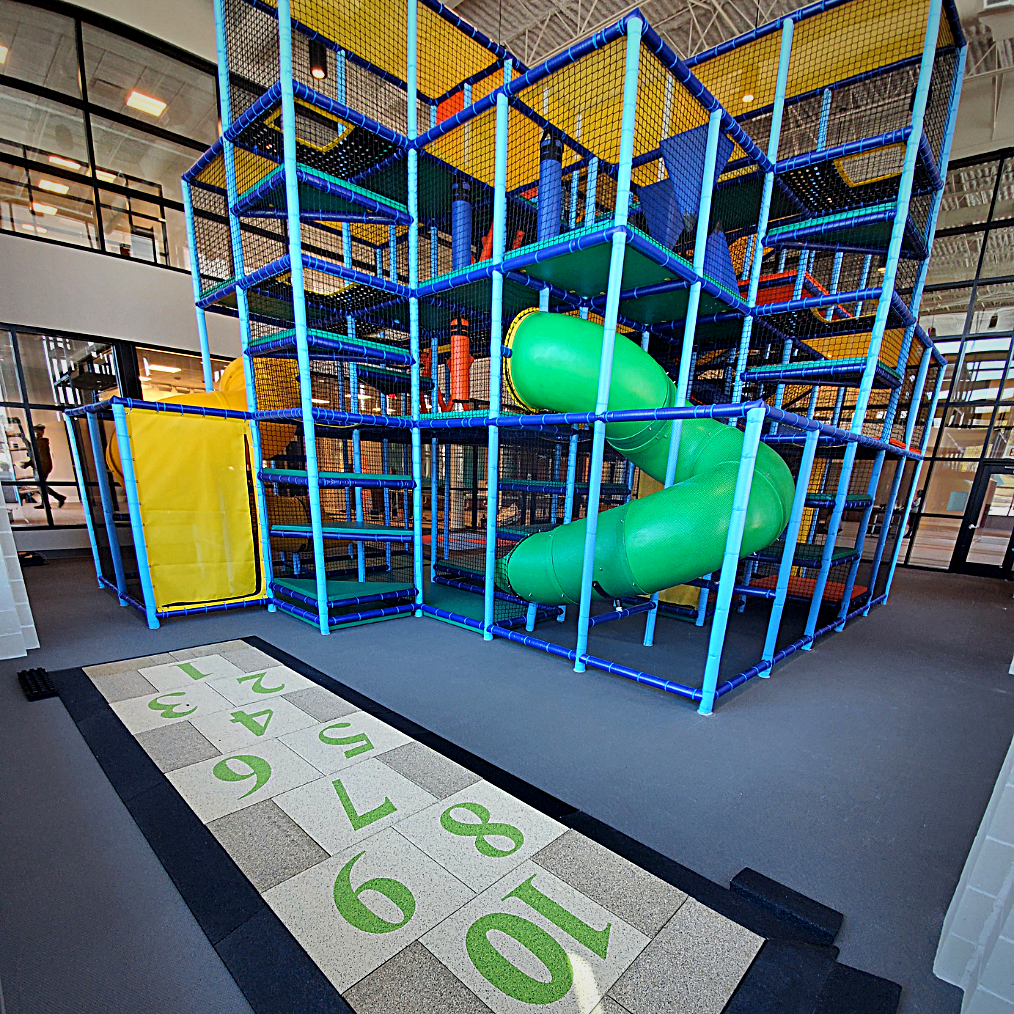
When people think of playgrounds, they often picture outdoor spaces filled with slides and swings. However, indoor playgrounds are becoming an increasingly valuable addition to schools, providing students with a safe, engaging environment for play, movement, and learning throughout the year. More than just a place for recreation, school indoor playgrounds support academic success, social development, and student engagement in meaningful ways.
The Connection Between Movement and Learning
Research consistently shows that physical activity plays an important role in cognitive development. When students have opportunities to move, climb, balance, and explore, they improve motor skills while also enhancing focus and concentration in the classroom. Indoor playground equipment encourages active play, helping children release energy and return to lessons ready to learn.
Schools that incorporate indoor play spaces often find that students are better able to stay attentive during instruction. By providing a dedicated area for movement breaks, educators can support healthier learning habits and reduce classroom disruptions.
Year-Round Opportunities for Engagement
Weather conditions can limit outdoor recess and physical education activities. Rain, snow, extreme heat, or poor air quality often force schools to keep students indoors. An indoor playground ensures children have access to active play regardless of the season.
These spaces create consistent opportunities for physical activity while preventing the boredom and restlessness that can occur during indoor-only days. As a result, students remain more engaged, energized, and prepared for academic success.
Building Social and Emotional Skills
Indoor playgrounds are also powerful tools for social-emotional learning. Through cooperative play, students develop communication, teamwork, and problem-solving skills. Whether navigating a climbing structure together or engaging in imaginative play, children learn how to collaborate, share, and build positive relationships.
These interactions help foster confidence and emotional resilience. For younger students especially, play-based experiences support the development of critical life skills that contribute to long-term success both inside and outside the classroom.
Ready to bring indoor play to your school?
Explore how Worlds of Wow designs custom indoor play spaces that inspire learning, movement, and imagination.