.png?width=160&height=96&name=logo%20(1).png)
Indoor Play Spaces for Libraries: Benefits, Design Ideas, and Why They Matter
Libraries are evolving. No longer just quiet places for reading, today’s libraries are interactive community hubs designed to support learning in multiple ways. One of the fastest-growing trends is the integration of indoor play spaces within library environments.
These spaces are not just about entertainment. They are purpose-built environments that support early childhood development, increase library visitation, and create meaningful experiences for families.
If your library is looking to attract more visitors and better serve young audiences, indoor play spaces are a proven solution.
What Is an Indoor Play Space in a Library?
An indoor play space in a library is a thoughtfully designed environment that combines play with educational elements like storytelling, sensory activities, and problem-solving.
Unlike traditional playgrounds, these spaces are designed to align with the library’s mission. They often include:
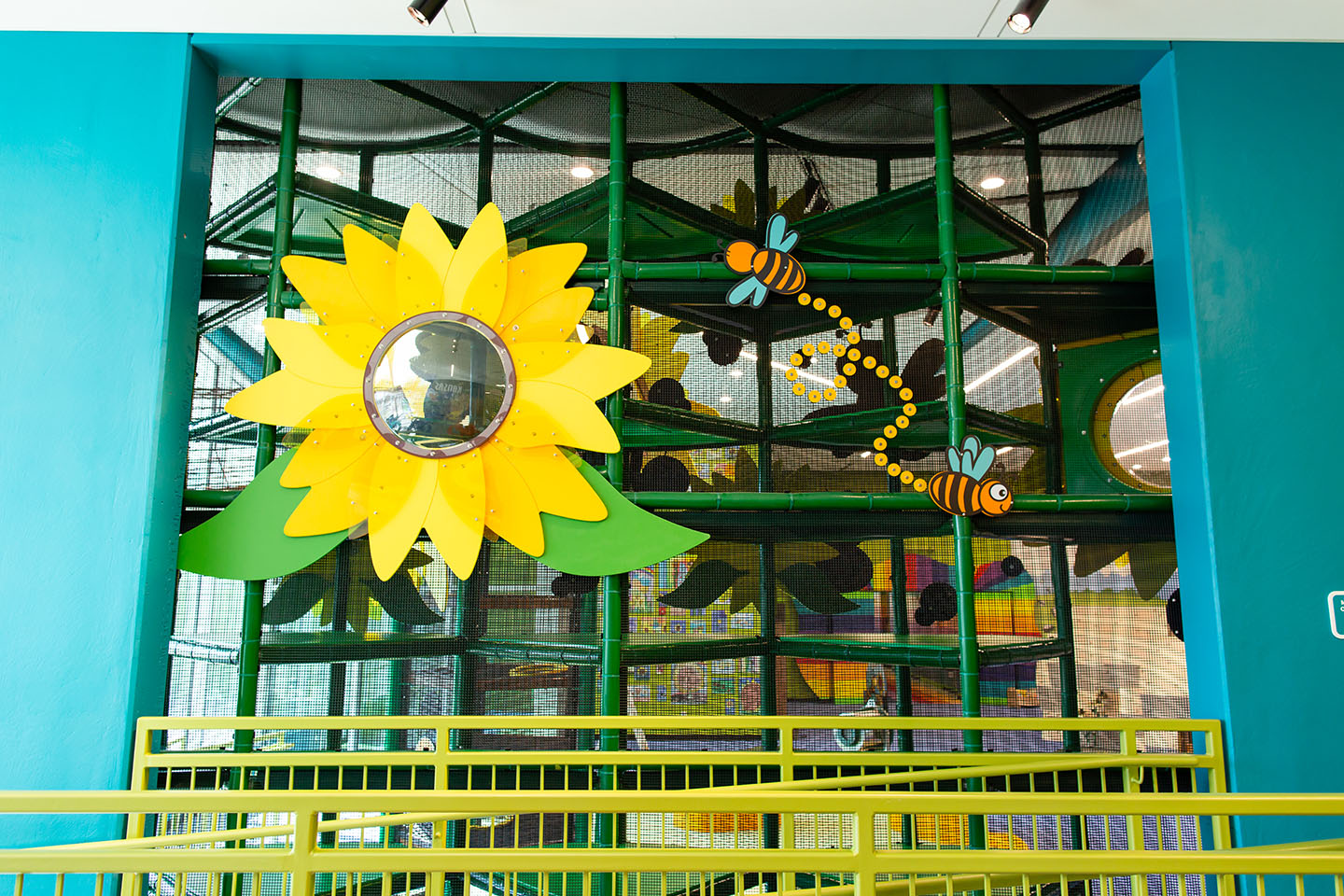
• Themed structures inspired by books or local culture
• Interactive panels that encourage critical thinking
• Climbing and movement features for physical development
• Quiet play areas that support reading and imagination
Why Are Indoor Play Spaces Important for Libraries?
Indoor play spaces support how children naturally learn. Research shows that play is essential to developing language, social skills, and early literacy.
When libraries incorporate play, they create environments where learning happens organically through exploration and interaction.
Key Benefits of Indoor Play Spaces for Libraries
- Increased Library Visits and Dwell Time
Indoor play areas attract families and encourage longer visits. When children are engaged, caregivers are more likely to stay, explore, and return frequently. - Supports Early Literacy Development
Play-based environments promote storytelling, role-playing, and communication. These skills are directly tied to reading readiness and comprehension. - Creates a Family-Friendly Destination
Libraries with play spaces become go-to community destinations. They provide value not just for children, but for parents, caregivers, and educators. - Maximizes Underutilized Space
Unused or underperforming areas can be transformed into high-impact attractions. Even compact or vertical play structures can deliver strong engagement. - Provides Year-Round Engagement
Indoor play spaces eliminate weather concerns. Libraries can offer consistent programming and engagement regardless of season. - Encourages Social and Emotional Development
Children learn to share, collaborate, and problem-solve through play, helping build critical life skills in a safe environment.
How Indoor Play Spaces Support Early Literacy
Indoor play environments naturally reinforce literacy skills by encouraging:
• Vocabulary development through interactive play
• Storytelling and imaginative role-play
• Symbol recognition and problem-solving
• Social interaction and communication
When children associate the library with fun and discovery, they are more likely to develop a lifelong love of reading.
Design Considerations for Library Indoor Playgrounds
Designing an indoor play space for a library requires a different approach than traditional playgrounds. Key considerations include:
Acoustic Control
Materials and layouts should minimize noise and maintain a comfortable environment for all visitors.
Age-Appropriate Zones
Separate areas for toddlers, preschoolers, and older children improve safety and user experience.
Educational Integration
Incorporate STEM, sensory play, and literacy-based activities to align with educational goals.
Aesthetic Alignment
The play space should complement the library’s architecture, branding, and community identity.
Safety and Durability
Use commercial-grade materials designed for high traffic and easy maintenance.
Common Questions About Indoor Play Spaces for Libraries
Are indoor play spaces too noisy for libraries?
No. When designed correctly with acoustic materials and thoughtful layouts, play spaces can control noise and coexist with quiet areas.
What age groups benefit most from library play spaces?
Indoor play spaces are especially beneficial for toddlers and early learners, but can be designed to engage a wide range of age groups.
Do indoor playgrounds take up a lot of space?
Not necessarily. Many solutions are customizable and can fit small footprints or vertical spaces.
How do play spaces support learning?
They promote early literacy, problem-solving, motor skills, and social interaction through hands-on engagement.
The Future of Libraries Includes Play
Modern libraries are redefining what it means to serve a community. By incorporating indoor play spaces, they create environments that blend education, exploration, and engagement.
These spaces do more than entertain. They help children develop essential skills, support families, and position libraries as must-visit destinations within their communities.
For libraries looking to increase impact, improve visitor experience, and support early learning, indoor play spaces are not just an amenity. They are a strategic investment in the future.
Ready to bring interactive play to your library?
Explore how Worlds of Wow designs custom indoor play spaces that inspire learning, movement, and imagination.
.png)