.png?width=160&height=96&name=logo%20(1).png)
Enhanced.jpg)
Museums today are evolving beyond quiet, observation-only environments. Families are looking for hands-on, immersive experiences and that’s where indoor playgrounds come in.
An indoor playground isn’t just a place for kids to burn energy. It’s a strategic tool that helps museums increase dwell time, improve visitor satisfaction, and create memorable, repeat-worthy experiences.
If you’re considering adding a play space to your museum, here’s how to do it right.
Why Indoor Playgrounds Are a Smart Investment for Museums
Modern museum visitors, especially families, expect more than static exhibits. They want interaction, movement, and engagement for all age groups.
Indoor playgrounds help museums:
- Increase average dwell time
- Encourage repeat visits and memberships
- Improve the overall guest experience
- Provide a break space for younger visitors
- Support hands-on, experiential learning
By integrating play into your museum environment, you’re not distracting from education, you’re enhancing it.
Designing a Museum Play Space That Aligns With Your Mission
The most successful indoor playgrounds don’t feel like add-ons, they feel like extensions of the museum itself.
1. Tie Play to Your Theme
Whether your museum focuses on science, history, nature, or art, your play environment should reflect that.
Examples:
- A natural history museum could include climbable “fossil dig” structures
- A science museum might feature interactive STEM-based play panels
- A children’s museum can incorporate imaginative, story-driven environments
The goal is to reinforce learning through physical interaction.
2. Prioritize Open-Ended Play
Avoid overly structured or single-use features. Instead, focus on elements that allow kids to explore freely.
Best options include:
- Climbing structures
- Crawl tunnels
- Interactive sensory panels
- Slides and soft play components
Open-ended play encourages creativity, longer engagement, and better developmental outcomes.
3. Design for Multiple Age Groups
Museums attract a wide age range, often all at once. Your indoor playground should reflect that.
Consider:
- Toddler-specific zones with soft, low-height features
- More challenging elements for older kids
- Comfortable seating areas for caregivers
Creating zones ensures safety while maximizing usability.
Key Features of a Successful Museum Indoor Playground
To maximize impact, your play space should include:
Durability and safety
Museum environments see heavy traffic. Materials should be commercial-grade, easy to clean, and designed for long-term use.
Accessibility and inclusivity
Ensure ADA-compliant access and include sensory-friendly elements so all children can participate.
Compact, efficient design
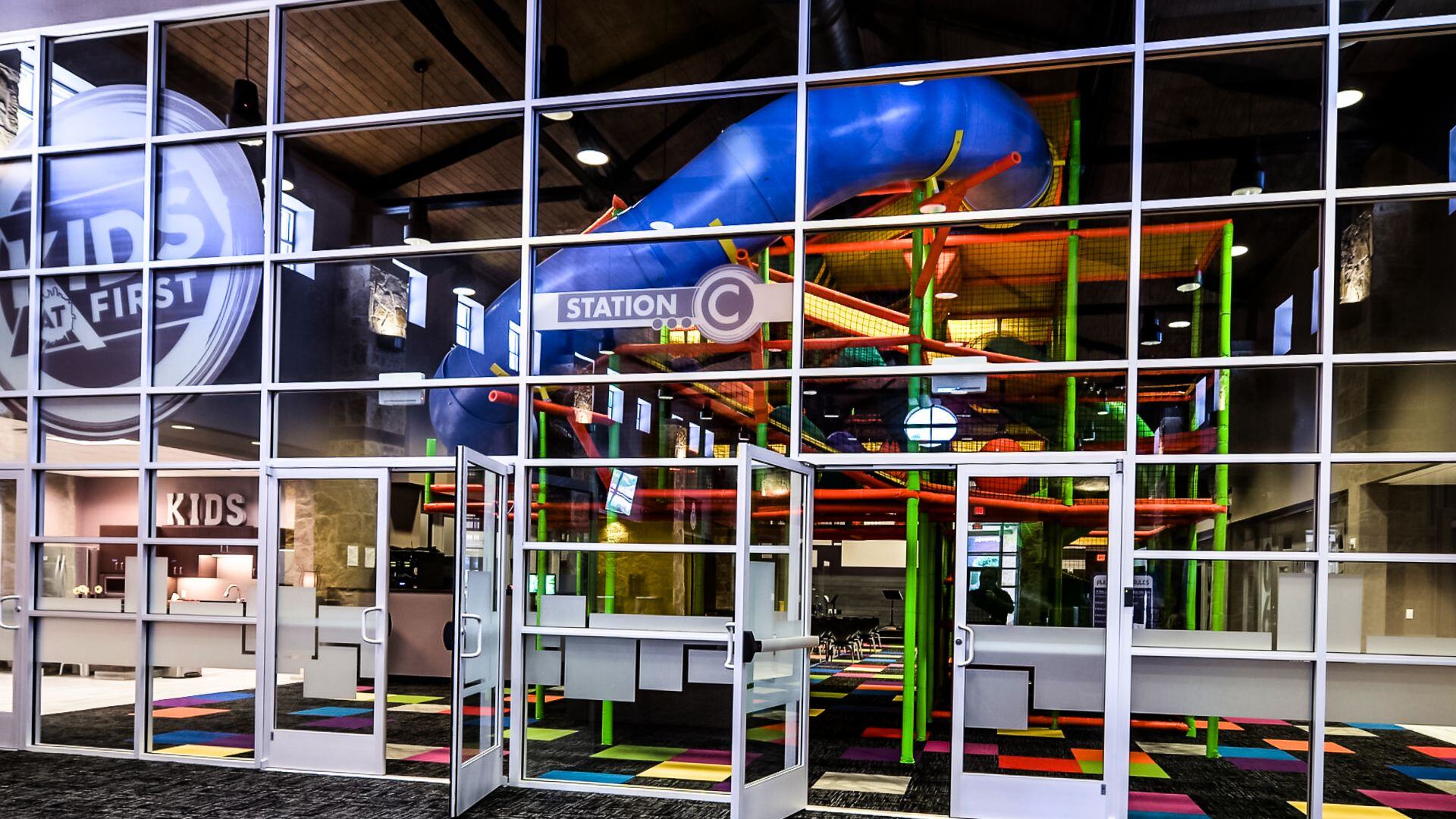
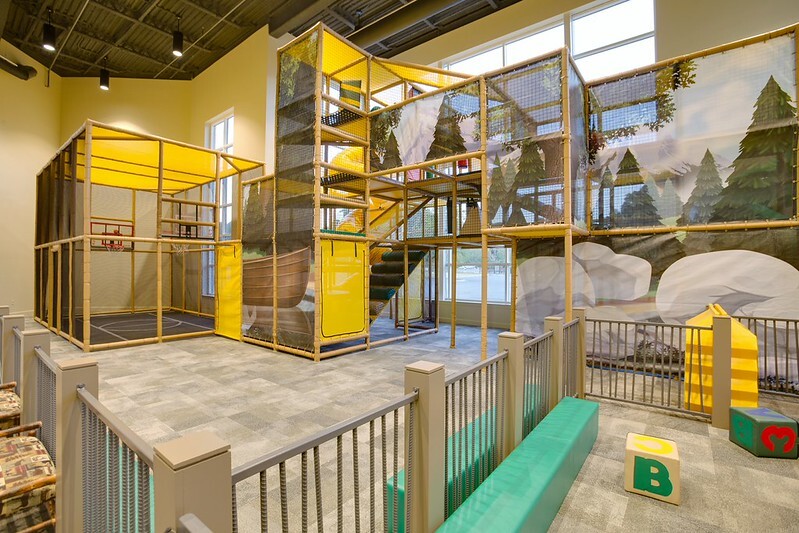
Many museums have space limitations. Custom-designed playgrounds can fit within existing layouts without sacrificing experience.
Visual appeal
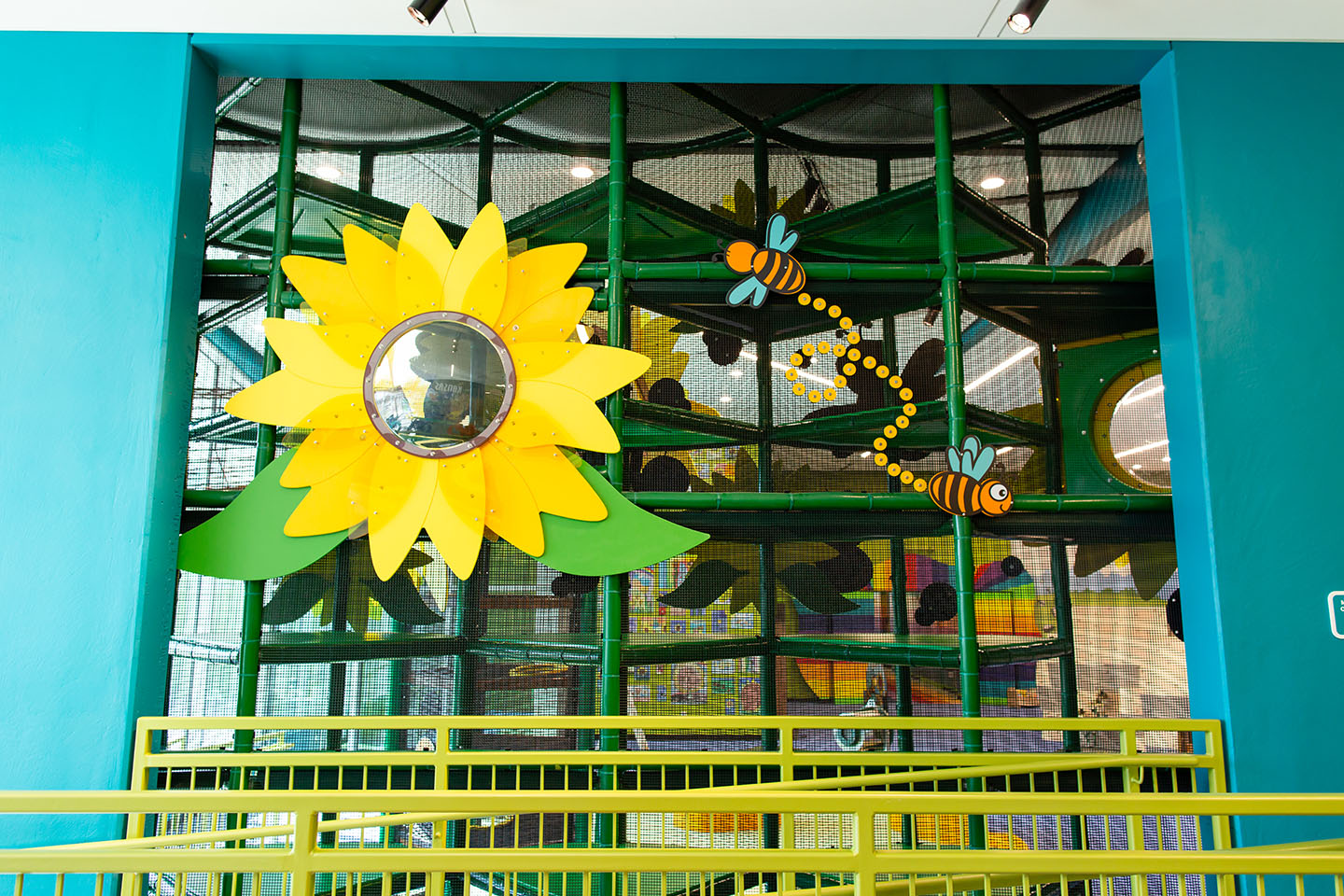
Your play area should be visually engaging and shareable, which can naturally drive organic marketing.
Where to Place an Indoor Playground in Your Museum
Placement can significantly impact usage and flow.
Best locations include:
- Near entrances to immediately engage families
- Adjacent to family exhibits or children’s areas
- Close to cafés or rest areas for convenience
- Transitional zones between major exhibits
Strategic placement helps reduce congestion while encouraging exploration throughout the museum.
How Indoor Playgrounds Increase Revenue Opportunities
Indoor play isn’t just an amenity, it’s a revenue driver.
Museums can leverage play spaces to:
- Boost memberships and return visits
- Increase time spent onsite, leading to higher gift shop and cafe sales
- Attract school groups and field trips
- Create rentable spaces for birthday parties and events
A well-designed playground often pays for itself through increased engagement and repeat traffic.
Frequently Asked Questions (FAQ)
What is the benefit of an indoor playground in a museum?
Indoor playgrounds increase engagement, extend visit duration, and provide interactive learning opportunities that appeal to families.
How do indoor playgrounds support learning in museums?
They promote hands-on, experiential learning by allowing children to physically interact with concepts related to exhibits.
Are indoor playgrounds safe for high-traffic environments like museums?
Yes, when designed with commercial-grade materials and proper safety standards, they are built specifically for heavy daily use.
How much space is needed for a museum play area?
Indoor playgrounds can be customized to fit small or large spaces, from compact play zones to fully immersive environments.
Can indoor playgrounds match a museum’s theme?
Yes. Custom theming allows playgrounds to align with exhibit content, branding, and educational goals.
Bring Your Museum to Life Through Play
Adding an indoor playground to your museum isn’t just about entertainment, it’s about creating deeper connections with your visitors.
When designed thoughtfully, these spaces transform how families experience your museum, turning a one-time visit into a lasting relationship.
If you’re ready to explore how a custom indoor playground can elevate your space, Worlds of Wow can help you design a solution that fits your vision, your audience, and your goals.